
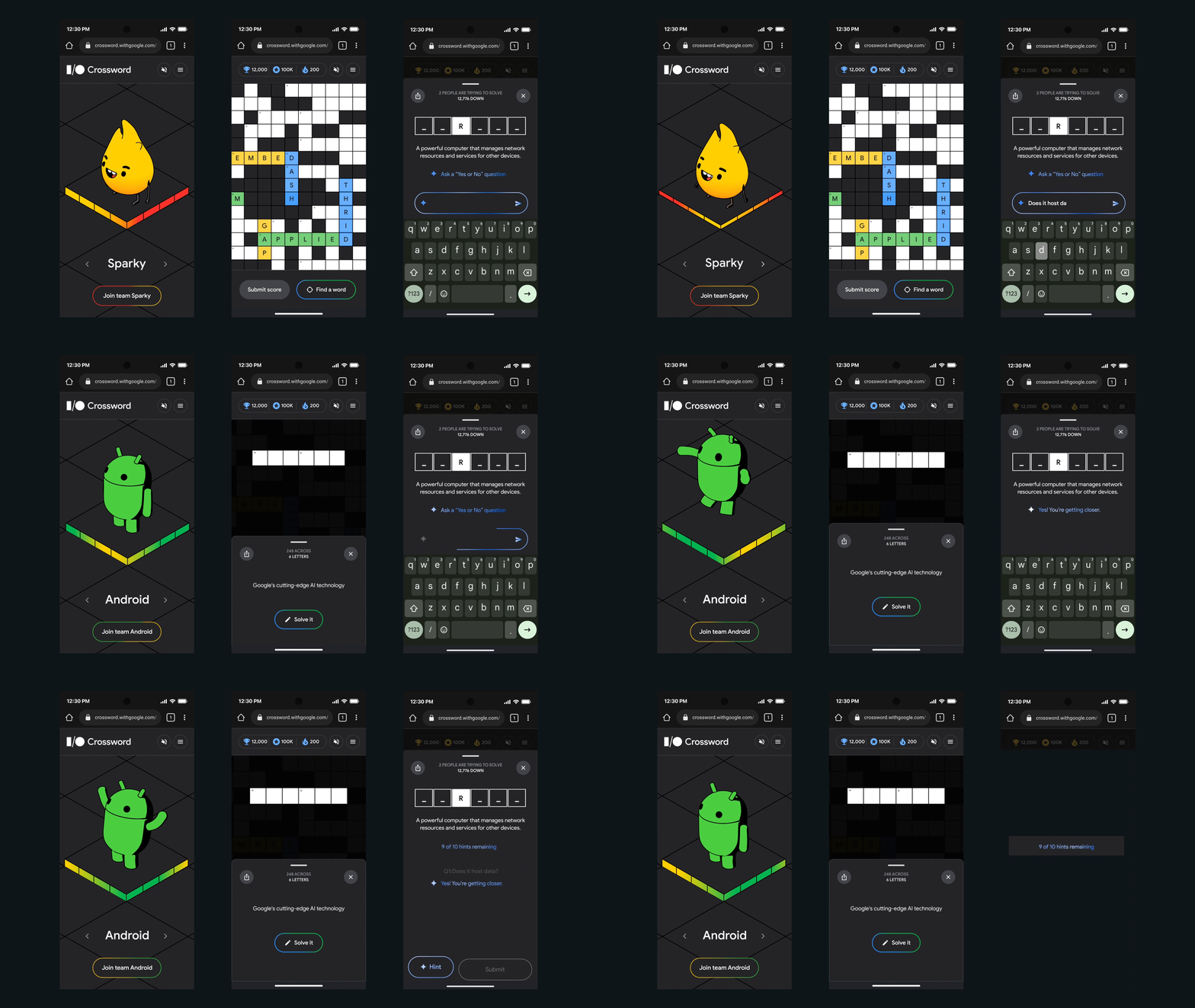


Word puzzles have long been valued for their ability to challenge vocabulary, logic, and pattern recognition. In recent years, machine learning has become an important behind-the-scenes tool in many digital word games and puzzle platforms. This article reviews how machine learning improves word puzzles, explaining what it does, how it works, and who benefits most from these changes. It is written for readers who enjoy word games and want a clear, practical understanding of the technology shaping them.
What machine learning adds to word puzzles
Machine learning is a branch of artificial intelligence that allows systems to learn patterns from data rather than relying only on fixed rules. In word puzzles, this usually means analyzing large collections of words, player interactions, and puzzle outcomes to make smarter decisions over time.
Traditional word puzzles followed static rules. A crossword grid was manually designed, difficulty was estimated by the creator, and hints were fixed. Machine learning allows many of these elements to become adaptive, responding to how real players interact with puzzles instead of relying solely on assumptions.
How machine learning works inside word games
At a practical level, machine learning systems study examples. For word puzzles, those examples may include dictionaries, solved puzzles, incorrect guesses, time spent on clues, or skipped questions. From this data, models learn which words are easier or harder, which clue styles confuse players, and how difficulty progresses naturally.
When a player starts a puzzle, the system can use these learned patterns to adjust elements such as word selection, clue phrasing, or hint timing. Over many sessions, the system improves its predictions, making puzzles feel more balanced and responsive.
Smarter puzzle generation
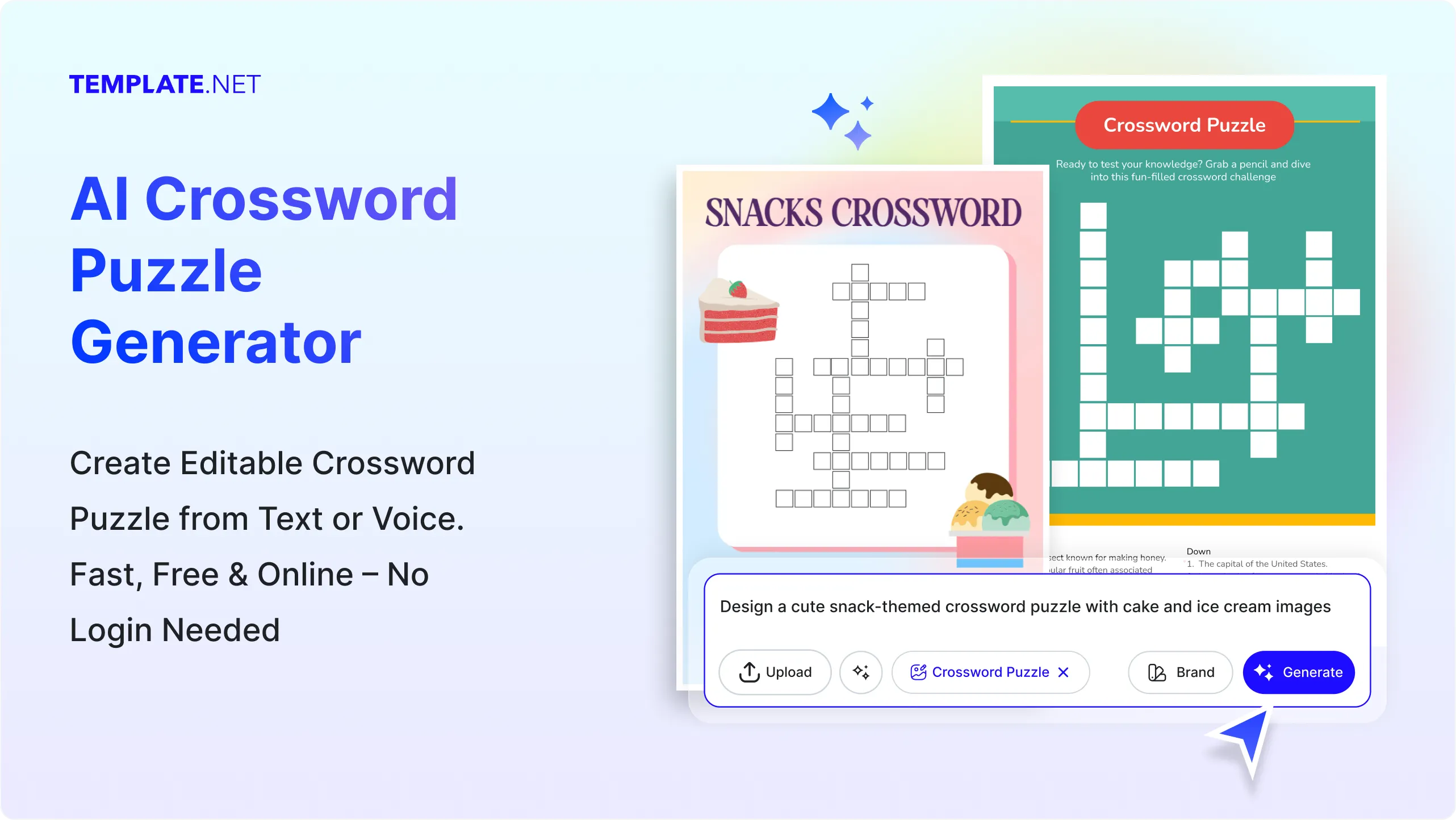
One of the clearest benefits of machine learning is automated puzzle creation. Algorithms can generate crosswords, anagrams, or word grids that follow linguistic rules while avoiding awkward or repetitive word combinations.
Machine learning models evaluate millions of possible layouts quickly, scoring them based on readability, fairness, and difficulty. This allows puzzle platforms to release fresh content more frequently without sacrificing quality. It also reduces the risk of unsolvable or poorly balanced puzzles reaching players.
Adaptive difficulty and personalization
Machine learning makes it possible to tailor puzzles to individual players. Instead of assigning a single difficulty level, systems can adjust challenge in real time based on performance.
If a player solves clues quickly and accurately, puzzles may gradually introduce rarer words or more indirect hints. If a player struggles, the system may offer simpler vocabulary, clearer clues, or optional assistance. This adaptive approach helps maintain engagement without making the experience feel overwhelming or boring.
Improved clue quality and hint systems
Clues and hints play a critical role in word puzzles. Machine learning can analyze which clues lead to frequent mistakes or abandoned puzzles and refine them accordingly.
Over time, hint systems become more helpful and less intrusive. Instead of revealing full answers, they may guide players toward patterns, word lengths, or partial letter placements. This preserves the challenge while reducing frustration.
Language coverage and fairness
Machine learning allows word puzzles to support multiple languages and dialects more effectively. By training on diverse linguistic datasets, systems can recognize regional spelling variations, synonyms, and common expressions.
This improves fairness and accessibility, especially for non-native speakers. It also reduces bias toward obscure or culturally specific vocabulary that may not be familiar to all players.
Strengths of machine learning in word puzzles
The main strength of machine learning is scalability. It allows puzzle platforms to generate large volumes of content while learning from player behavior. Puzzles become more consistent, adaptive, and engaging over time.
Another advantage is feedback sensitivity. Instead of relying only on designer intuition, machine learning systems respond to actual player data, making improvements grounded in real usage.
Limitations and trade-offs
Despite its benefits, machine learning is not perfect. Over-optimization can make puzzles feel predictable if variation is not carefully managed. There is also a risk of reducing creative or surprising elements if systems focus too heavily on statistical patterns.
Machine learning models depend on data quality. If training data is limited or biased, puzzles may favor certain word styles or difficulty curves that do not suit all players. Human oversight remains essential to maintain balance and originality.
Comparison with traditional puzzle design
Traditional word puzzles rely on expert designers and handcrafted logic. This approach offers strong creativity and personality but limits scalability and personalization.
Machine learning complements rather than replaces human design. Many successful platforms combine algorithmic generation with editorial review, using technology to handle structure and balance while humans refine tone and creativity.
Who benefits most from machine learning-powered puzzles
Casual players benefit from smoother difficulty curves and reduced frustration. Regular players enjoy endless fresh content and personalized challenges. Puzzle creators benefit from faster production and clearer insights into player behavior.
Educators and language learners also gain value, as adaptive puzzles can reinforce vocabulary and spelling at appropriate skill levels without manual adjustment.
