
Word games have entertained, challenged, and educated players for generations. This review explores the most popular word games of all time, explaining how they work, why they remain widely played, and who they are best suited for. It is written for readers who enjoy language-based games or are curious about which titles have shaped the genre across board games, newspapers, classrooms, and digital platforms.


Why word games endure
Unlike many other forms of play, word games rely on language skills that evolve over a lifetime. Vocabulary growth, pattern recognition, and problem-solving keep these games relevant for both children and adults. Many of the most successful word games are also highly adaptable, moving easily from physical formats to digital versions without losing their core appeal.
Another reason for their longevity is accessibility. Most word games have simple rules, low entry barriers, and flexible pacing. Players can compete seriously, play casually, or enjoy them alone, making the genre unusually broad in its appeal.
Scrabble
Scrabble is one of the best-known word games in the world. Players use letter tiles with assigned point values to form words on a grid-based board. Strategic placement, premium squares, and careful tile management all contribute to scoring.
The game’s main strength lies in its balance between vocabulary knowledge and tactical planning. Skilled players often outperform others not by knowing more words, but by understanding board control and scoring opportunities. A limitation is that new players may feel disadvantaged when facing experienced opponents.
Scrabble is best suited for players who enjoy competitive play and strategic depth, particularly those who like traditional board games.
Crossword puzzles
Crossword puzzles have been a staple of newspapers, magazines, and puzzle books for decades. Players fill in intersecting words based on clues that range from straightforward definitions to clever wordplay.
Their greatest strength is variety. Crosswords can be themed, cryptic, educational, or casual, offering something for nearly every skill level. They are also highly flexible in length and difficulty. However, some formats, especially cryptic crosswords, can feel inaccessible without prior experience.
Crosswords are ideal for solo players who enjoy thoughtful problem-solving and steady mental challenges.
Boggle
Boggle is a fast-paced word search game where players race against a timer to find as many words as possible in a grid of randomly arranged letters. Words must connect adjacent letters, and longer words score more points.
The game’s appeal comes from its energy and replayability. Each round feels fresh due to random letter placement. On the downside, Boggle offers limited strategic depth compared to other word games, relying more on speed and visual scanning.
Boggle works well for families, classrooms, and casual group settings where quick rounds and shared excitement matter more than long-term strategy.
Words With Friends
Words With Friends adapts the Scrabble-style formula for mobile play, allowing asynchronous matches between friends or strangers. Players take turns forming words on a shared board using letter tiles.
Its strongest feature is convenience. Games can be played over days or weeks, making it easy to fit into daily routines. Social interaction adds motivation, while built-in dictionaries help learning. A common limitation is that competitive balance can be affected by power-ups or optional features.
This game suits players who enjoy traditional word gameplay but prefer digital, social-first experiences.
Wordle
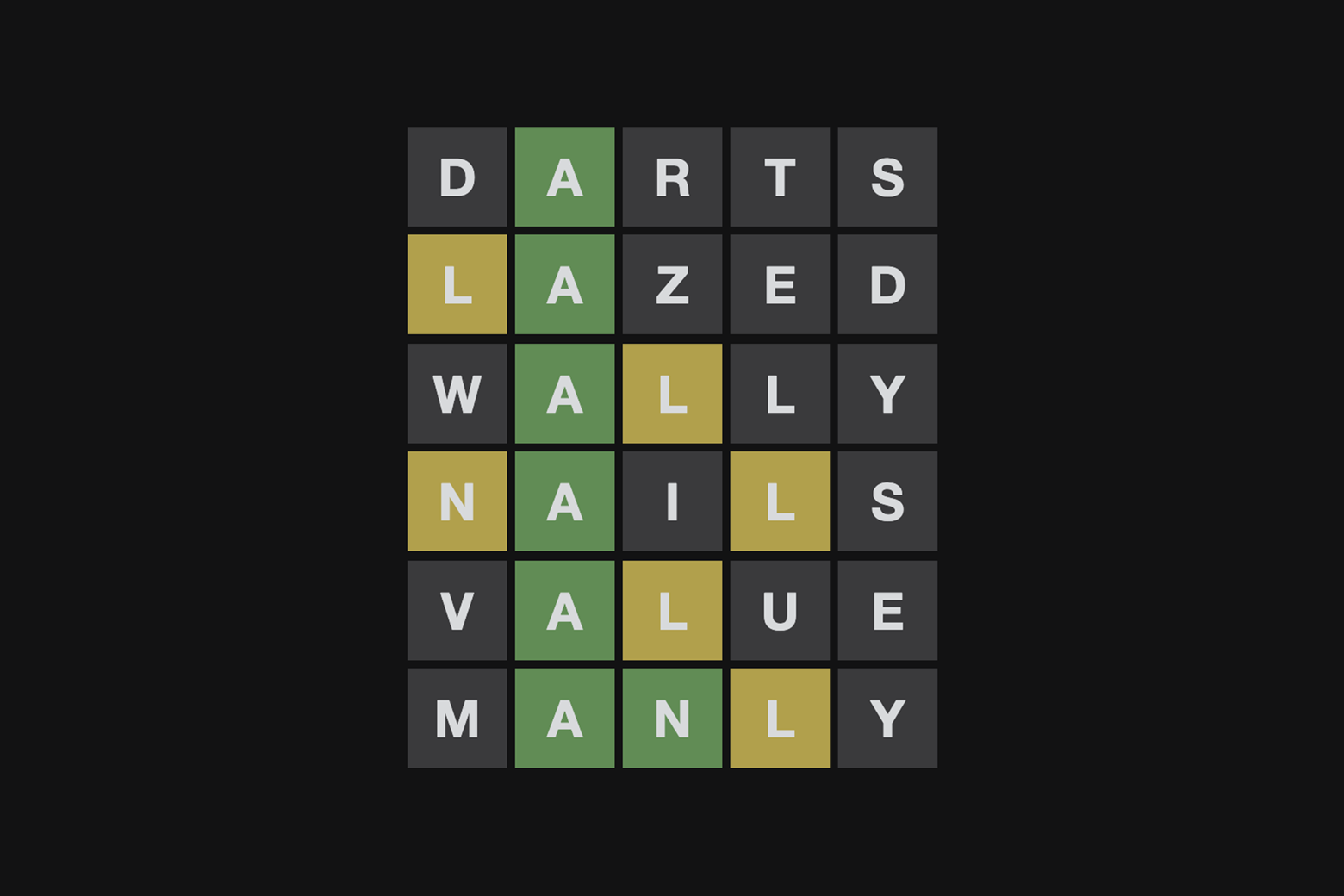
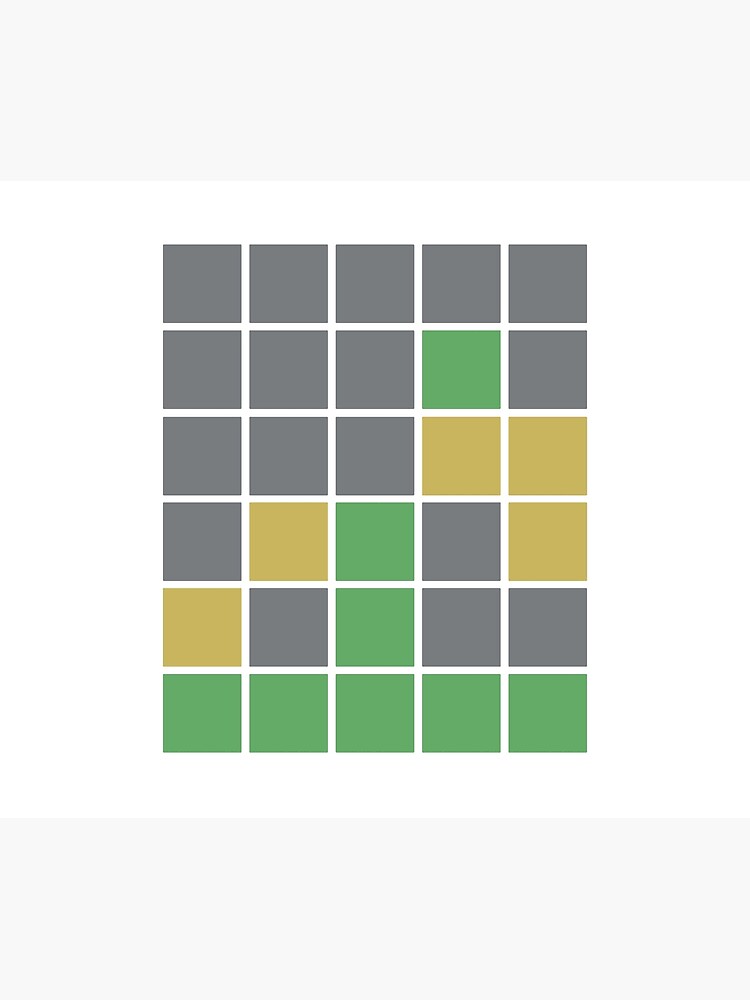
Wordle popularized a minimalist approach to word puzzles. Players have a limited number of guesses to identify a hidden word, receiving color-coded feedback after each attempt.
The game’s simplicity is its greatest strength. A single puzzle per day creates a shared experience without encouraging overuse. However, the limited format means less replay value for players seeking extended sessions.
Wordle is best for casual players who enjoy short, focused challenges and logical deduction rather than deep strategy.
Hangman
Hangman is one of the simplest and most widely recognized word games. Players guess letters to uncover a hidden word, with incorrect guesses gradually completing a drawing.
Its educational value is significant, especially for language learners and children. The rules are easy to explain, and the game requires no special materials. However, it lacks complexity and can become repetitive over time.
Hangman is best suited for early learners, classrooms, and informal play where simplicity is key.
Comparing classic and modern word games
Traditional games like Scrabble and crosswords emphasize depth, patience, and long-term skill development. Modern digital games such as Wordle and Words With Friends focus more on accessibility, shorter sessions, and social connectivity.
Neither approach replaces the other. Instead, they complement each other by serving different play styles and contexts. The most popular word games endure because they adapt to changing habits while preserving core mechanics that reward language mastery.
Choosing the right word game for you
The lasting popularity of word games comes from their flexibility. Whether you prefer competitive board play, quiet solo puzzles, or brief daily challenges, there is a word game that fits naturally into your routine. Exploring both classic and modern options often reveals that the best choice depends less on the game itself and more on how, when, and why you like to play.
