
Word games and puzzles have entertained, educated, and challenged people for centuries. This article reviews the history of word games and puzzles, explaining how they developed, how they work, and why they remain relevant today. It is written for readers who enjoy wordplay, educators interested in language-based activities, and anyone curious about how structured language challenges became part of everyday culture.


Early roots of wordplay
Long before formal games existed, wordplay appeared in oral traditions. Riddles, proverbs, and verbal challenges were common in ancient societies. These early forms relied on memory, wit, and shared language knowledge rather than written rules.
In ancient civilizations such as those of Mesopotamia, Greece, and Rome, riddles were used both for entertainment and education. They tested vocabulary, reasoning, and cultural knowledge. Because literacy was limited, many early word puzzles were spoken rather than written, making them accessible within small communities.
The strength of these early word games was their flexibility. They could be adapted to any language or dialect. Their limitation, however, was consistency. Without written rules, difficulty and structure varied widely.
The rise of written puzzles
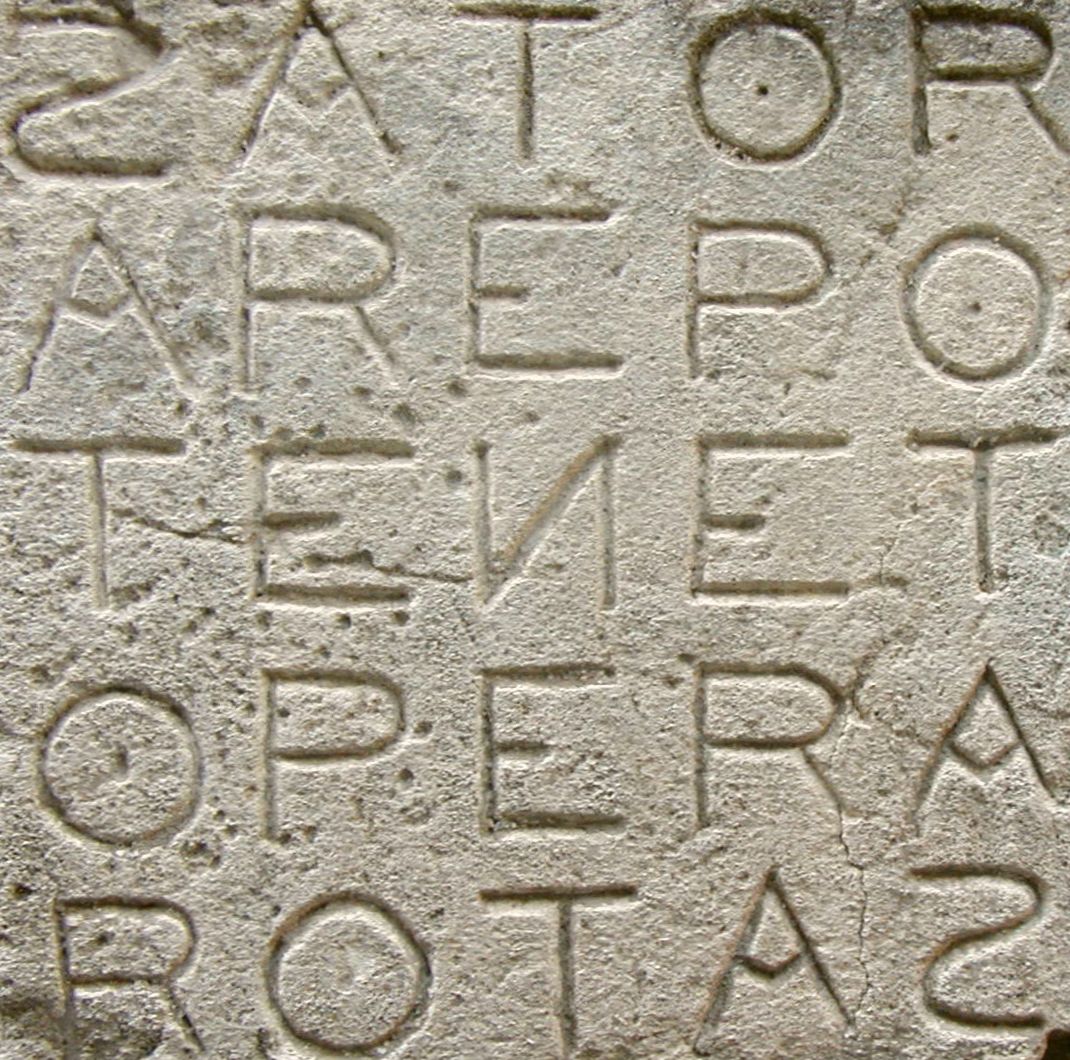
As writing became more widespread, word games gained structure. Acrostics, word squares, and anagrams began appearing in manuscripts. These puzzles introduced visual elements, requiring players to consider both meaning and arrangement.
Medieval scholars often used word puzzles as teaching tools. Latin word squares and religious acrostics were designed to reinforce spelling and memorization. In many cases, puzzles served dual purposes: intellectual exercise and moral or educational instruction.
Written puzzles allowed for repeatable gameplay and broader sharing, but they required literacy and access to texts, limiting participation compared to oral wordplay.
Newspapers and mass popularity
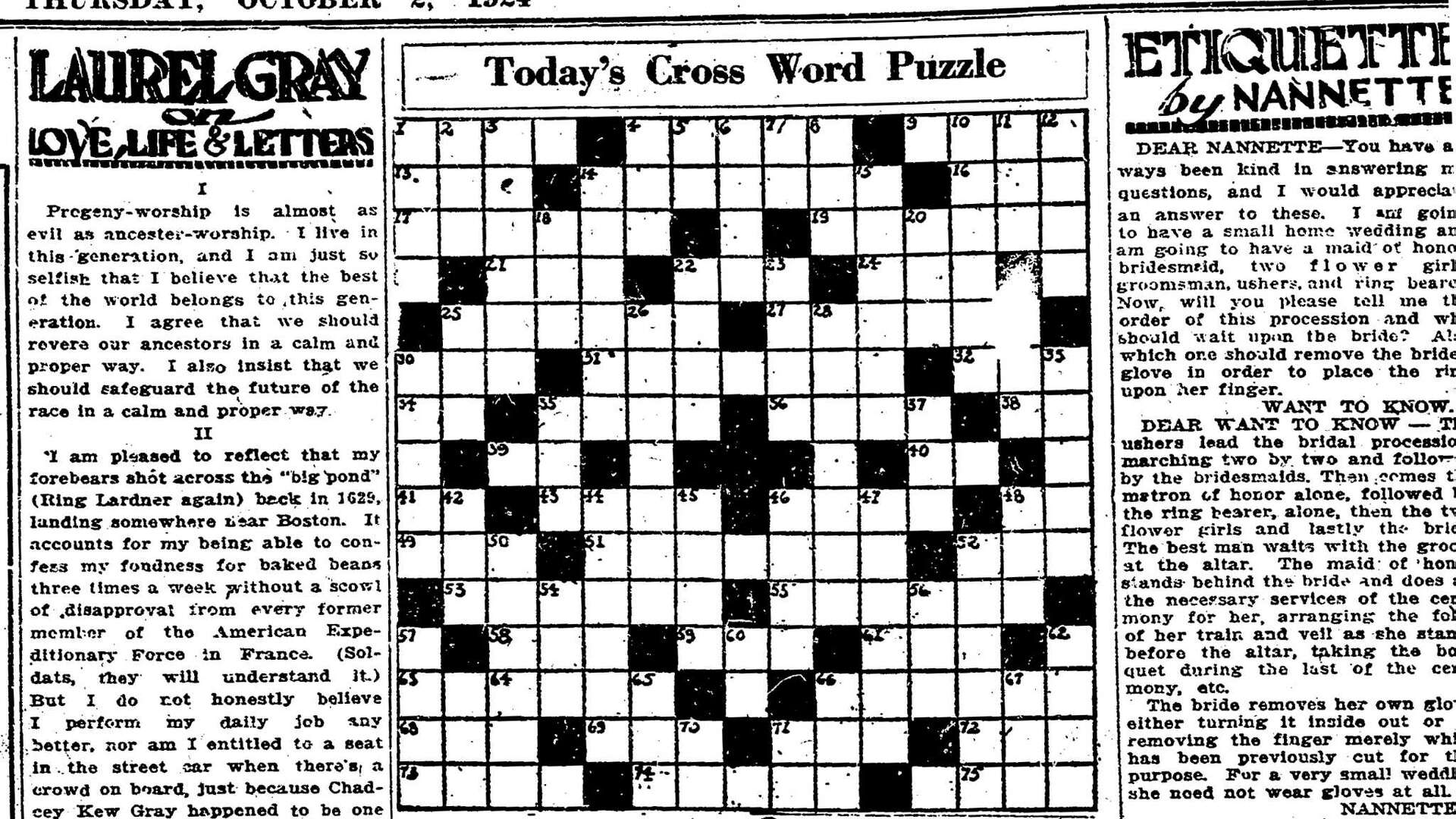
The modern popularity of word games is closely tied to newspapers and magazines. The invention of the crossword puzzle marked a major turning point. The first widely recognized crossword appeared in a newspaper, offering readers a structured, repeatable challenge that could be solved individually.
Crosswords introduced standardized grids, clues, and difficulty levels. This structure made them easy to distribute and compare. Other formats soon followed, including word searches, cryptic puzzles, and logic-based word challenges.
These games were especially well suited for daily publication. They filled space, encouraged regular readership, and appealed to a wide audience. Their main limitation was static content, as players could not easily customize difficulty or themes.
Board games and shared play
The 20th century saw the rise of physical word game boards designed for group play. Games such as Scrabble transformed individual word challenges into social experiences.
Board-based word games typically focus on vocabulary building, strategic placement, and score optimization. They introduced competition and replayability through random tile draws and changing boards.
Their strengths lie in face-to-face interaction and long-term replay value. However, they require physical components, time, and multiple players, which can limit accessibility compared to solo puzzles.
Digital transformation
The digital era expanded word games beyond physical and print formats. Early computer versions of crosswords and anagrams offered faster feedback and automated scoring. With the rise of mobile devices, word games became more accessible and customizable.
Digital word games can adjust difficulty, track progress, and offer hints. They also allow for global competition and cooperative play. These features broaden the audience, making word games appealing to casual players as well as enthusiasts.
A limitation of digital formats is distraction. Notifications and ads can interrupt focus, which contrasts with the quiet concentration traditionally associated with puzzles.
Educational and cognitive roles
Throughout history, word games have served educational purposes. They support spelling, vocabulary development, and logical thinking. Teachers often use puzzles to reinforce language skills in an engaging way.
Cognitive research frequently highlights the mental benefits of structured word challenges. While they are not a replacement for comprehensive learning, they complement reading and writing by encouraging active language use.
Word games are particularly well suited for lifelong learning. They can be enjoyed at any age and adjusted to different skill levels, although highly specialized puzzles may discourage beginners.
Comparing word games to other puzzle types
Compared to number-based or visual puzzles, word games rely heavily on language knowledge. This makes them culturally specific but also deeply personal. A word puzzle in one language may not translate directly into another.
Their advantage lies in emotional connection. Words carry meaning, humor, and memory. The limitation is accessibility for non-native speakers or those with limited literacy, though simpler formats can help bridge this gap.
Who word games are best suited for
Word games appeal to a broad audience. Casual players enjoy quick challenges, while dedicated fans seek complex grids or competitive play. Educators value their instructional potential, and older adults often appreciate their cognitive engagement.
Because of their adaptability, word games can suit solo players, families, classrooms, and competitive communities. The key is matching the format and difficulty to the audience.
Why word games continue to matter
Rather than ending with a final statement, it is more useful to see word games as an ongoing conversation between language and play. Each puzzle, whether ancient or modern, reflects how people think, communicate, and find enjoyment in structure. As long as language evolves, word games will continue to evolve with it, offering familiar challenges in ever-changing forms.
